
Introduction
Culinary heritage is not a set of recipes of which people have left their copies across the centuries, it is also a manifestation of history, region and character. Both of the traditional dishes are culturally, climatically, and value-based narratives.
The growing global travel has made food to be effective, whereby travellers get to know the destinations in a more intimate fashion. Food traditions knowledge contributes to keeping the authenticity and glorifying diversity in other cultures.
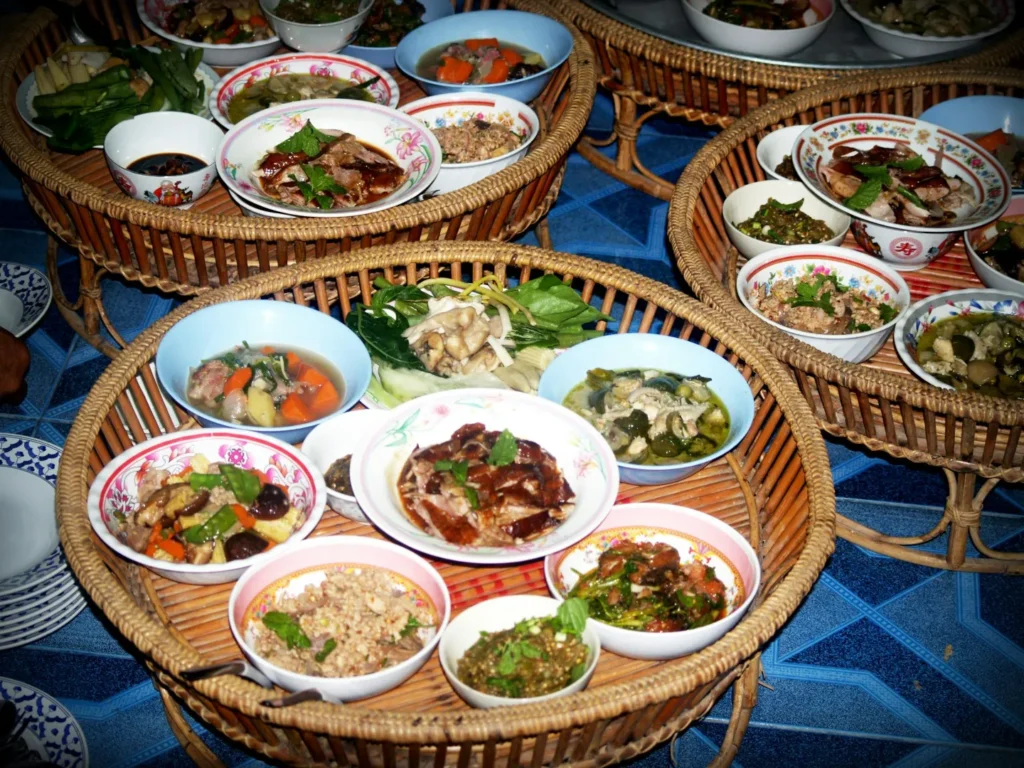
The meaning of the Culinary Heritage.
Food knowledge that is cumulatively developed over several centuries in a culture forms the culinary heritage. It involves ingredients, cooking methods and rituals, which are connected with the everyday life and celebrations.
These customs are apt to be penetrated into local environments, resource allocation to new use. A culinary tradition is present, which guarantees that the culture does not lose its luster.
Being opposed to the tendencies of new cuisine, the tradition of culinary is sluggish, also considering the traditions and principles. It boosts the feeling of identity and connects the generations of the past and the present.
The Geographic effect on Traditional Food.
The geography is a very vital element that shapes the world cuisine. It is the climate, soil and natural resources that the local diets and cooking styles directly rely on.
Close to the sea cities are rich in seafood and mountainous societies are avid canned food eaters. These geographical reasons give various tastes that are unique in a region.
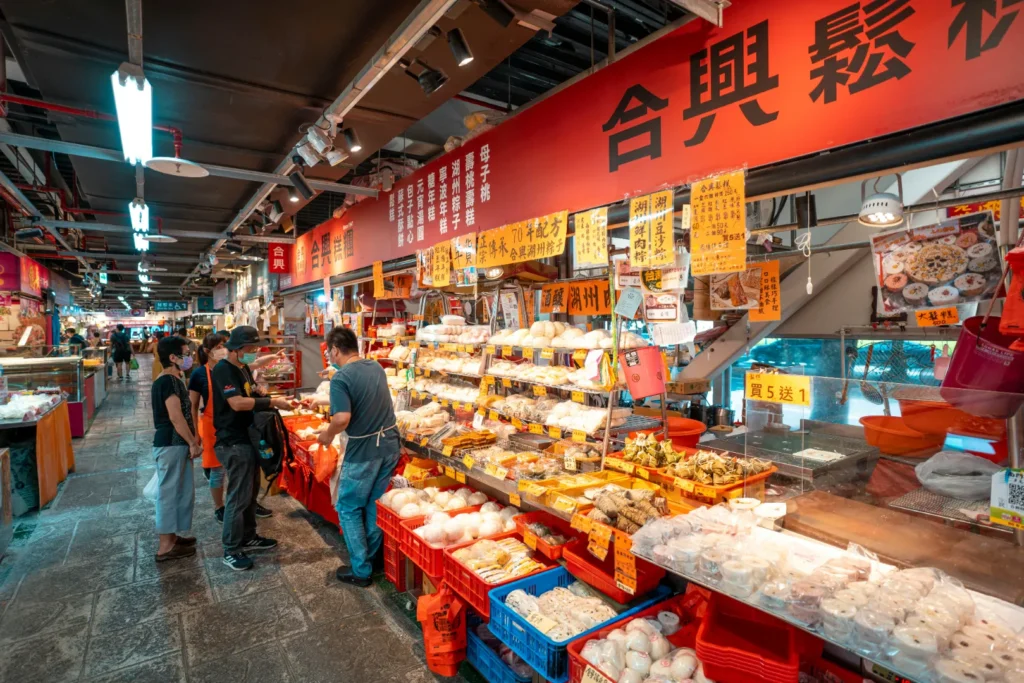
The Culture and Nationality of Cooking.
Food can be said to be one of the best examples of symbol of culture. Food culture incorporates values, culture and experience within a society.
Family recipes are normally emotional and are shared during festivals and stags. The food reinforces the connection and ethnic pride.
Festivals and Rituals in the Role of Festivals and Rituals.
The food festivals are important in the maintenance of the food culture. The number of traditional dishes prepared on certain celebrations or rituals is enormous.
These events offer the opportunities to give the younger generations the cultural knowledge. Food preparation assists in the social bonding and cultural survival.
Globalization and The Traditions of Food.
Globalization generated new preferences and ways of doing things and has challenged the cooking tradition. Fast food and mass production is a threat to the traditional cooking.
In the changing life style, most communities are resisting to retain their traditional practices. One may lose the information on the traditional food by the younger generations.
Food Tourism and Experiences.
Food culture has become a major tourist attraction site among individuals who would wish to see the real things. Food tourism helps the tourist to have a cultural experience through eating.
Cooking lessons, domestic meals and local supermarkets emphasize on the traditional practices. These relations support the local economies and cultural preservation.
The Heritage of Culinary to the Generations.
The making of preservation is geared towards documentation of recipes and methods and the history of food. The old people play a very significant role in the teaching of culinary skills.
Educational programs and community programs help to preserve traditional food practices. They are supposed to preserve the respect and relevance of the culinary heritage.
Nowadays, Interpretations of classics.
The modern chefs are inclined to reform the traditional meals without neglecting the culture of cooking. The traditions can be developed using innovation and still preserving their authenticity.
With these accommodations, new audiences are being exposed to heritage foods. The obsolete tastes in contemporary food will be preserved by moderate creativity.

Conclusion
Food is one of the most expressive and potent expressions of culture as it associates cuisine to time, identity and place. Their preservation of local dishes plays a functional role of protecting the cultural accounts and the reassurance that it can be passed on across generations without compromise of its intended purpose.
Another important role in food preservation is played by the travellers and the local communities. They also contribute to the sustainability of the cultural values by enjoying the local food and the traditional way of cooking since they are more aware of how the other parts of the world live, celebrate and remember their culture.
To explore this relationship further, locate food and culture stories on Travory World which adores actual culinary experiences and journeys. You may also know a bit more about our journey on the About Us page, get in touch with us via the Contact Us page or read our Terms and Conditions, Privacy Policy and DMCA where you may learn more about the way we do things and share content.

