
Introduction
Culinary journeys allow travelers to connect with a destination far beyond traditional sightseeing. Through food, visitors gain direct access to local culture, history, values, and everyday life, making travel experiences deeper and more meaningful.
Culinary journeys help tourists build stronger connections with communities by tasting recipes shaped over generations. These authentic food experiences turn simple meals into memorable moments and transform travel into a cultural exploration rooted in flavor, tradition, and shared heritage.
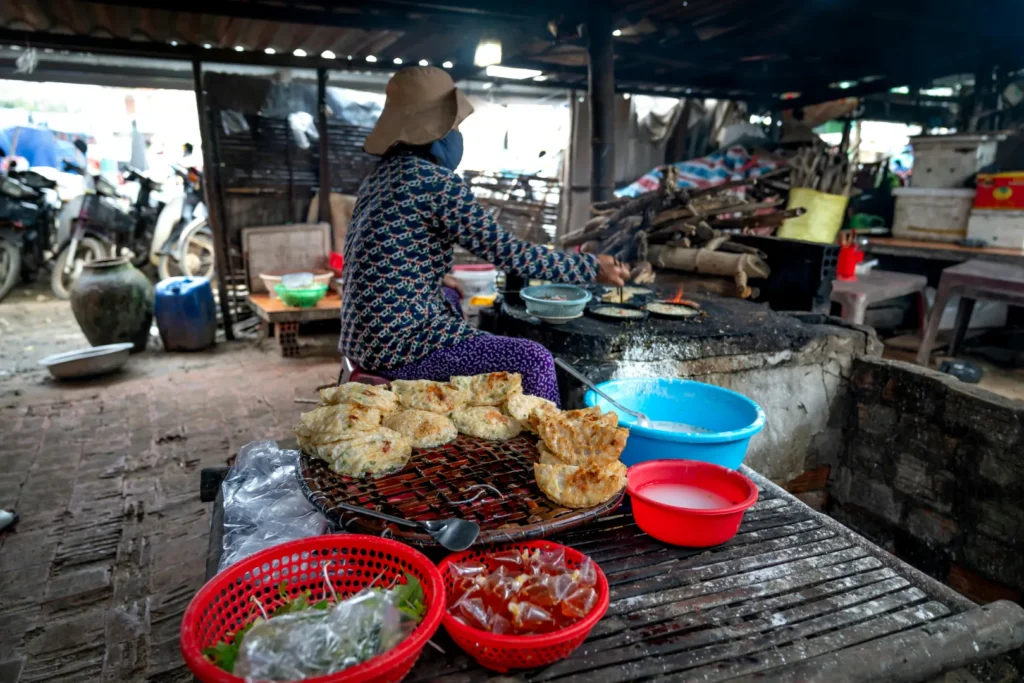
The vision of food as cultural identity.
Food is closely related to cultural identity and pride of the region. Alteration Traditional dishes as well possess the tendency to reflect climatic, geographical and historical circumstances that are developed within families.
The tourist can experience the affiliation of people to their culture through food tours. Local cuisines are better to be had since they provide some insight into the traditions that can never be learned through the use of guide books.
Going by the street food culture.
The street food is the everyday living and home cooked delicacies. They can get markets and road side stalls where locals can access cheap food and eat it every day.
The street food experience enables the tourists to research on the real traditions of meals during their gastronomic tours. These informal establishments will most probably handle them coarsely and expose them to the style of culture.
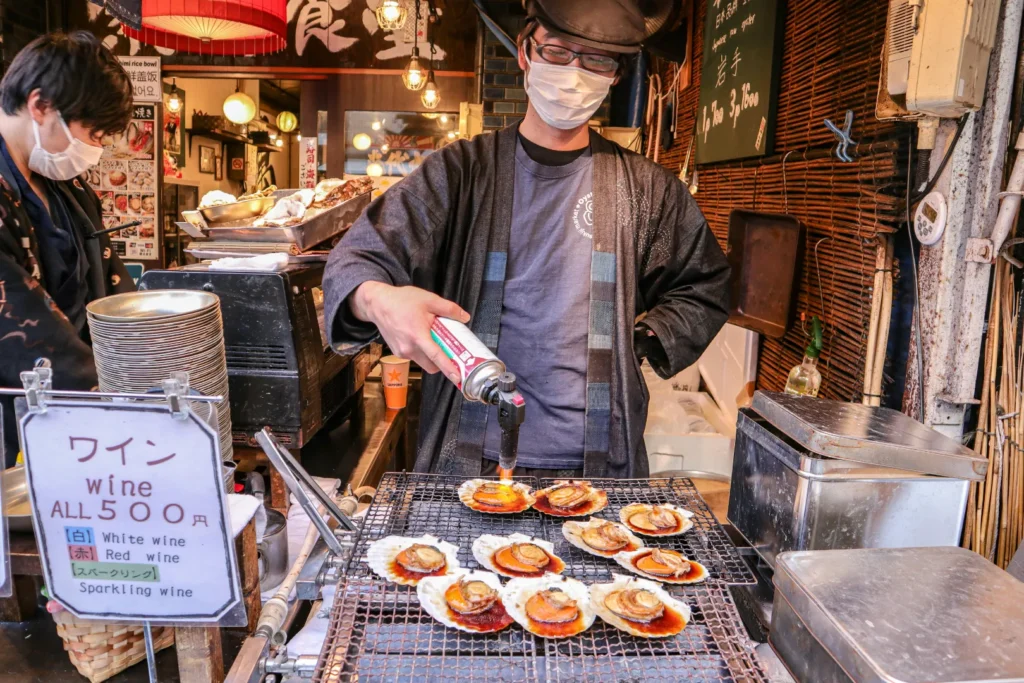
Cooking practices in the area.
Various locations and cultures have different ways of cooking. It is slow smouldering, open fire grilling and the techniques are ingenious and traditional.
This value addition to the gastronomic tours occurs when these tricks are seen or known by the travelers. The local craftsmanship is respectful because it has knowledge on how to prepare food.
Local products, and local food.
Local food is characterized using local ingredients which determine the taste and character of local food. The idea of seasonal eating is related to sustainability and intimacy with nature.
Food tours point out the way food is produced in the community out of what is available. The tourists are given the novel tastes that they will never get to enjoy.
Places of culture, the food markets.
Local markets are shared places of food, trade and arguments. They are the mirror of the life of the community and economy.
Upon culinary trips to the markets, one gets to experience local cuisines and cultures. It is also a way of developing healthy corporation with the vendors and the residents.
Family traditions and customary food.
These cultural values and hospitality can be evidenced through family dinners.
Home cooked food gastronomic tour is quite cultural. Customers are aware of the way life is in non restaurants.
Financial festivals and celebrations.
Heritage is praised in the form of festivals during which special meals and rituals are eaten. Such events are prone to be historical/seasonal events.
Amidst culinary tours, food festivals enable tourists to experience culture in the most saturated manner. It is the mood that is a combination of cognitions and pleasure.
Adherents to the concepts and manners of food.
Food etiquette is linked to the respect and tradition and differs in various cultures. Even such gestures as appreciation of local norms are not difficult.
The food practices in the culinary journeys have made the tourist to be culturally sensitive. People who are courtesy-receiving form good relations as a result of courtesy of traditions.
Selling the local food communities.
The affection towards the local restaurants can also help to preserve the small business, not to mention the cuisine salvage. Good to communities Responsible food tourism is directly good.
The food travelling promotes ethical tourism since they appreciate the local farmers. This strategy has an optimistic economic and cultural influence.

Conclusion
Food trips are tied to culture, taste and experience, thus making traveling more immersive and valuable. Halloumi through local dishes and culinary traditions will serve as an opening of the door to people, history and place in the most authentic manner.
When tourists visit places such as Venice, they go back with more than they went to see, they come back with memories of taste and tradition. Travory World provides visitors with food and culture guides, with detailed information, to accomplish all this: to find food-themed places, to plan their cultural activities, to travel to places related to culinary tourism in an informed and more fulfilling manner.
To explore even further and be inspired, Travory World can be used to curate and discover the hidden food tales and local eating habits of people worldwide through a food and culture travel guide.
Travory World has more information on the About Us page, load you with contact information on the Contact Us page, information policy on the DMCA page, rules of use on the Terms and Conditions page and details about what happens with your data on the Privacy Policy page.

