
Introduction
Culinary traditions are not only traditional recipes that are passed on through generations, but a living experience that is anchored on history, identity and community. Every region possesses tastes, which carry a connotation of climate, religion and life.
To the tourists and gourmets, the cuisine tells more about cultures than sights and exhibitions. The local food experience provides the possibility to be in the immediate contact with people and their everyday stories.
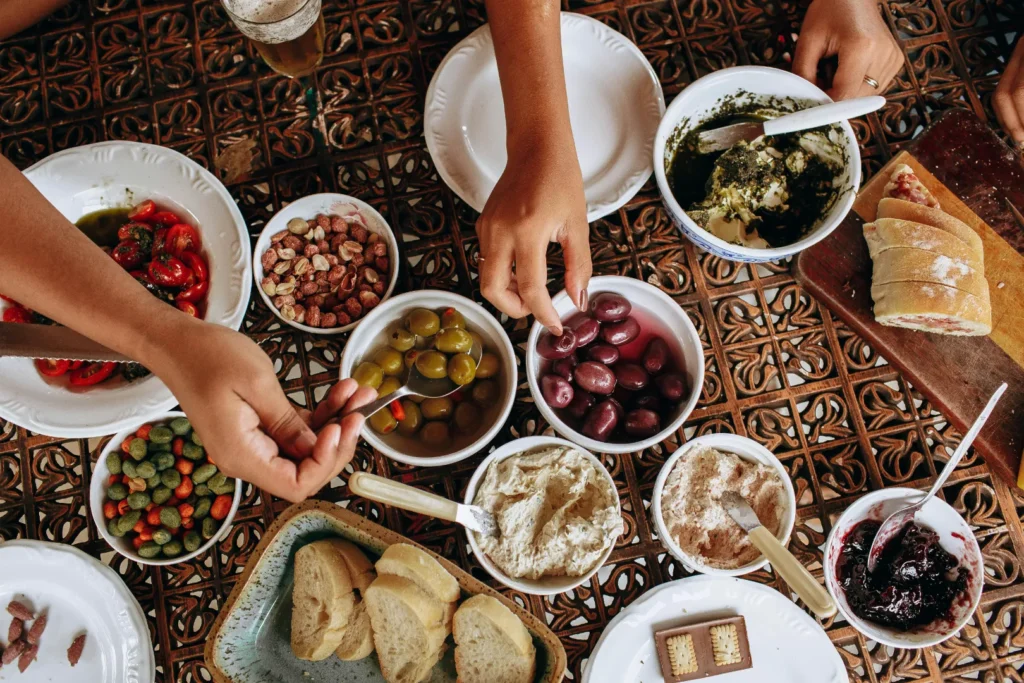
The Culinary Signification of Food.
Typically, gastronomic society develops because of the survival, geography and shared rites. The components of the local dishes can answer the question how people responded to the surrounding as time went by.
Meals are normally correlated with celebrations, religious and family meals. Such occasions reinforce food traditions and ensure that there is continuity of food between generations.
Food as a Reflection of History.
Many culinary traditions were greatly affected by trade routes, colonization, and migration. Spices, cooking styles and ingredients offer the history of cultural exchange and survival.
The historical events are more likely to leave the imprint on the culinary traditions. The present day consumption of food among the population can be traced back to ancient practices and importation by other nations.
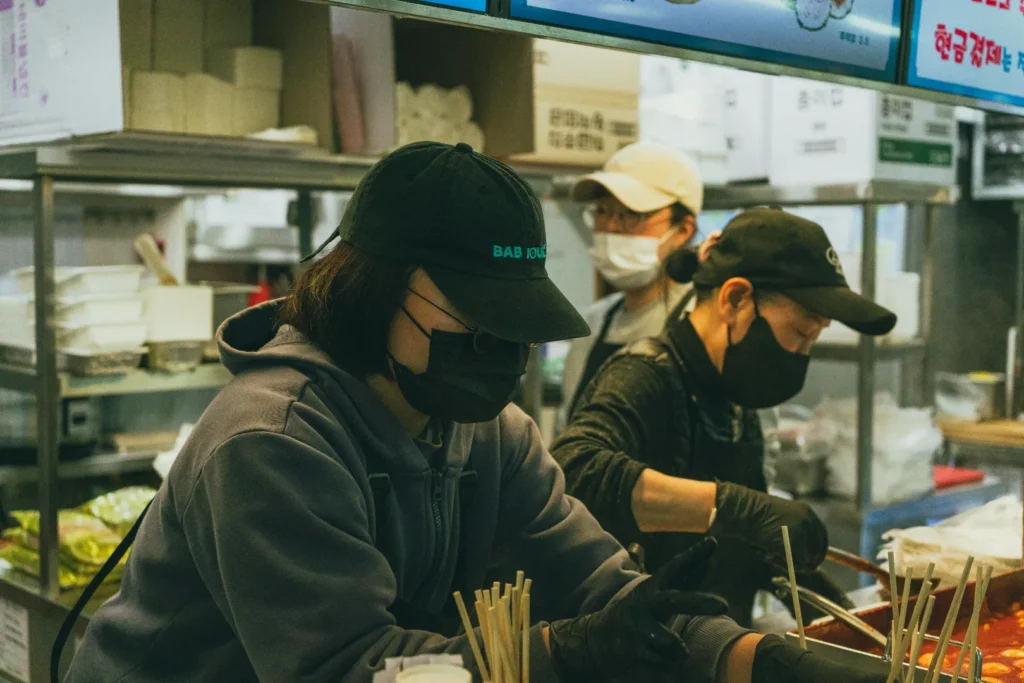
Local Cuisine Local Cuisine as Regional Identities.
The food helps in regional identity and pride. Southern recipes are transformed into a symbol that the individuals in the region associate with home and origin.
Food on the Strauss to Banquets, local cuisines is what will differentiate one destination with another. Such differences render the study of food a highly important aspect of cultural travelling.
Cooking by the Stone Age.
Techniques of cooking are as much of importance as the ingredients in cooking traditions. Such processes as slow cooking, fermentation, and open fire grilling affect the development of special flavors.
These approaches are typically family to family. The existence of the ancient ways will preserve the flavor of cuisines in the places.
Seasonal Eating Practices
Culinary practices are closely associated with seasonality. Many cultures also develop their food plans depending on the harvest season as well as the weather.
Eating within the season does not only enhance sustainability, but also it assist in the maintenance of the time-old food cycles. These practices have influenced the food culture in the contemporary times.
Festivals and Food Rituals
Food characterizes cultural festivals and ceremonies. Special dishes are not taken on a daily basis and this makes them very important.
The practices strengthen the culture and create shared memories. It is the food culture that thrives on the basis of being linked with communal events and stories.
As a cultural release, Street Food.
The most accessible culinary practices are street food. It is a reflection of local tastes, life and civilisation style.
Venders tend to follow recipes and traditions in families and traditions are continued in a modern city. Street food culture reflects the life completely.
The Impact of World Cuisine in Modern Food.
The culinary traditions continue to be based on the heritage; however, they are changing. The global trend and forces introduce new ingredients and cooking processes in the traditional kitchens.
The outcome of such a merger is the current interpretations which do not offend original identities. There is a development of traditions of food, without undermining its culture.

Conclusion
Food is something that makes any trip richer, more experienced and culturally enlightened. Food is more of an intermediary joining travelers with the local community, traditions, and daily life in a very organic and authentic manner.
Cultural food journeys on Travory world allow the travelers to visit destinations other than sightseeing. These experiences dwell on the conventional cooking styles, local tastes, and foreign food styles which identify the actual identity of a place. You will find additional inspiration to look in the Food and Culture segment of traveloryworld.com/
.
Traveling with food is not only a matter of taste, but also of narratives, interpersonal relationships, and cultural wholeness that remain with the travelers even after the journey. To know more about the immersive types of travel, details about destinations, and smart planning, visit the travel guide presented in several places throughout the https://travoryworld.com/
.

