
Introduction
Flavor Trails turn travel into a cultural journey where food becomes the guide to understanding a destination. Every place tells its story through flavors, cooking traditions, and shared meals that reflect daily life and local identity.
By following flavor trails, travelers move beyond standard tourist dining and connect with authentic cultural practices. Food becomes a powerful way to explore history, traditions, and rituals, allowing each meal to reveal the deeper roots of a destination.

Food as a Cultural Language
Food is noisy and it defines our identity concerning what we put into it as well as how we cook our food. The learning about how food is used to teach the social tradition and principles can be done through the tasting tours by the tourists.
The two plates are given a geographically and historically inspired meaning. And it is these connections that one remembers when eating the meal.
The flavor trails also educate the travelers on the respect of the difference in cultures. One of the options of experiencing the culture is through eating.
Home Cooked Meals and Family Recipes.
The traditional recipes help in preserving family history and collective memory. The majority of dishes which have been transmitted through the generations are usually recipes of tastes.
These are the meals that signify the survival, eating and adjusting to the changes in time. All the recipes are emotionally connoted amongst the locals.
They can taste the traditional cuisine, which will allow the travelers to associate with the personal experiences. The case where flavor trails are heritage based makes them authentic.
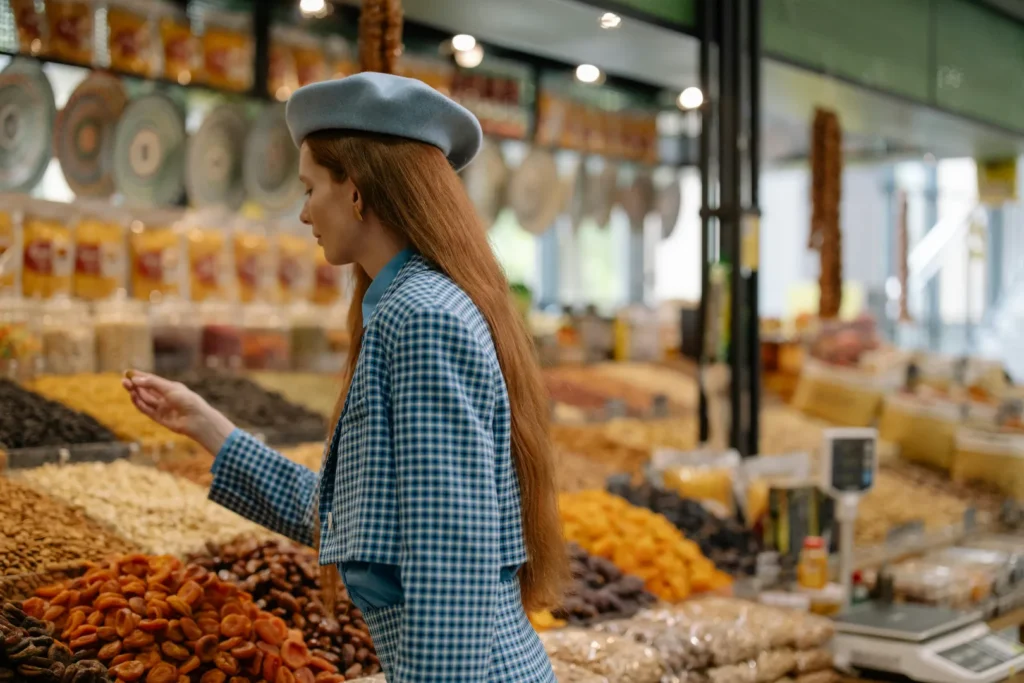
Local Markets and Daily Life.
Compared to markets, landmarks are not that much reflective of everyday life. The flavour trails usually expose the tourist to busy stalls where they show the local products.
The landscapes and tastes are founded on the cyclical season and the local taste. The societies exist and feed on markets.
The cultural knowledge is enhanced by the market travel. These are space trails that are flavorful.
The street food and cultural identity.
In street food, the imagination and need are consumed within one bite. Local tastes of the real local are revealed through taste tours in either direction of the street.
These foods are easily changed in terms of tastes and lifestyles. They are accessibility and ubiquity.
Its food is consumed on the street and this is bringing personal intimacy with the societies. Tasting trails are non-formal and unstructured.
Preparation of foods and Folklore.
The conservative modes of cooking define the meaning and taste. The refined ones are tasting paths.
Regional food refers to a method because slow simmering to the open-fire grilling. They do not lose the originality and talent.
The preparation of food makes one feel good whenever one is engaged in it or even when they are being observed to do it. The process of learning is more satisfying.
Food Festivals and Cultural festivals.
Food festivals consist of a heritage, harvest and bond festival. In the festivals, the cultural exposition lies in the flavour trails.
The identity is shown in the food that has been prepared in these events. They associate communities of individuals by tradition.
This has a stronger emotional aspect as it is an element of festivals. The taste trails are cultural experience to be remembered.
Products of Sense of Place and Place.
The local tastes and identity are characterized by local ingredients. The naturalness in food is supported by plate trails.
The land and the climate dictate what is produced and the way of exploiting the land. The reverence to nature is demonstrated by cooking tradition.
The selection of the local foods encourages sustainability. There are favorable impacts of flavor trails to the cities and the tourists.
Dining and Human Relationship in the house.
The best is home dining; this is the one that is related to culture. Family tables are the highest-flavored trails.
The home-cooked food is a manifestation of the daily life and housewifery. They bring about credibility and identification.
Socialization in restaurants makes travelling a friend affair. Watching songs is a very significant process.
Current Food and Alteration of Culture.
The contemporary chefs are altering tradition creatively. The flavor trails have a legacy and innovation touch.
Through fusion foods, there is an example on how cultures may develop without being disrespectful of their cultures. They are both globalized and localized.
The circumstance that results in the identification of modern foods brings about a balance. The way of taste is the connection to the past and the present.
Conclusion
The food turned into a cross-culture positions with the help of flavour trails turning every meal into meaningful sightseeing. Every dish is a story that people, place and tradition have influenced, and therefore people are able to learn about destinations through the food and not only the attractions.
The initial move towards meaningful travelling is to read food and culture related guides on Travory World, which uses stories of culinary-related travelling to reveal the links between history, identity and everyday life. These resources can assist the travelers to move beyond the superficial experiences and explore culture by tasting the true flavors.
Food is not just food but through flavour trails it is more than sustenance. It makes it an effective means of reaching the memory, the heritage, and the cultural identity, making the traveling experience more personal. To get to know better about our mission, visit us on the About us page, contact us on the Contact Us page, read our Terms and Conditions, learn our Privacy Policy, or find out the DMCA information on Travory World.

