
Introduction
Food heritage reflects the close relationship between people, their past, and long-standing traditions. It shows how societies preserve identity through flavors, rituals, and meals shared across generations, keeping cultural memory alive in everyday life.
Food heritage travel allows tourists to explore culture beyond museums and sightseeing spots. Traditional food stories reveal values, struggles, and celebrations passed down through generations, offering a deeper and more authentic understanding of local life.

The Meaning of Food Heritage
The food heritage factor is not limited to recipes and ingredients as well.
Food heritage comes in handy in ensuring that communities are identified with time. Each dish holds a great amount of history as it has been preconditioned by nature and tradition.
History and how it has influenced the Food Heritage.
The food develops under the impacts of wars, migration and trade. The influences of the past define local food.
The heritage of food shows survival and adaptation. The traditional food has been credited to survive and be creative.
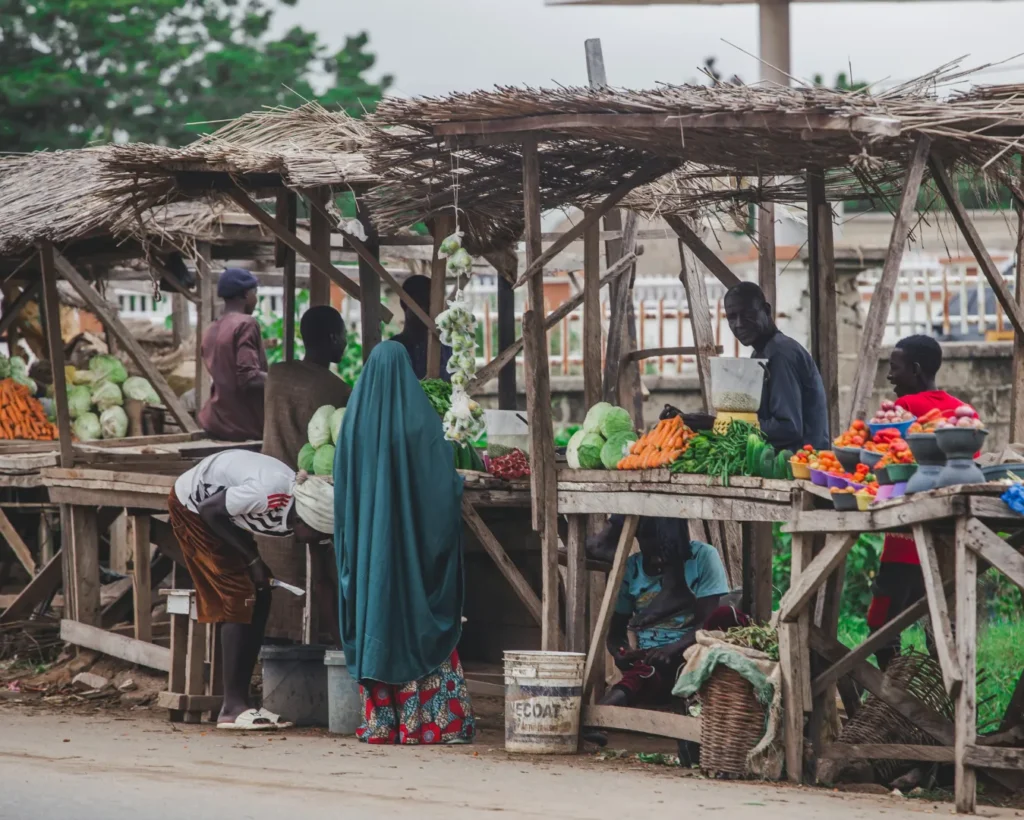
Local parts and Cultural belonging.
The food heritage celebrates the local food in a different way.
Food heritage is formed at the background of the resources. These are ingredients leading to local and place-based flavours.
Cooking as it used to be.
There are also no changes in the cooking methods all the time. Preservation of flavour and culture is done by means.
The aspects of food heritage are based on slow cooking, fermenting and natural preservation. These approaches are deferential to custom and artisanism.
Family Cooking Since the Times immemorial.
Culturally and emotionally, the family recipes are biased. They are usually sold during great events.
There is the food heritage of households. Encasing traditions that restaurants may lack, home cooking saves them.
Food Religions and Feasts.
Food is the focal point of festivals and ceremonies. There is special food, which is taken to signify special occasions of life.
Food heritage helps to strengthen ties with the community where there is a celebration. The belonging culture is strengthened by the generally common meals.
Cultural Food Centres as Markets.
The conventional food culture is within the traditional markets. They reveal contents, routines and domestic preferences.
The food heritage starts at the market level. Such neighborhoods unite manufacturers, cooks and societies.
Food heritage in Travel.
Tourists are becoming more authentic culturally. This definition of food experiences works with the classical food experiences.
The food heritage also assists the tourists to value culture in a sophisticated way. It builds deeper knowledge unlike superficial tourism.
Evils of Food heritage today.
Globalization has an influence on the eating and production of food. Cooking heritage is being put at risk of extinction.
There is the culture of the pressure of fast food on food heritage. There is the necessity to preserve authenticity through preservation.
Food Heritage Defending the Food.
The traditions of food will be spared because farmers in the region are given an opportunity to buy additional food. Cultural resources are preserved by means of sustainable practices.
Food heritage will be maintained in case the communities are stable financially, in terms of food. Ethical decisions contribute to the conservation of the environment in the long run.
A study of Culture through Food.
Food tours and cooking classes are multicultural. Appreciation is accomplished through experiences.
Food heritage would make sense when experienced. Direct learning between the locals results in intimacy.

Conclusion
The food heritage is a bridge between the past and the present, carrying the same tastes and traditions across generations. It represents identity, cultural pride, and the deep-rooted stories of communities expressed through traditional dishes.
To truly understand these connections, readers are encouraged to explore the Food and Culture section on Travory World, where authentic insights reveal the cultural background and historical importance of traditional foods from different regions.
Through in-depth guides available on Travory World, travelers gain access to reliable information about local and regional cuisine in its purest form. For a deeper understanding of the platform’s mission, visitors can explore the About Us page, reach out through the Contact Us section for guidance, and review the Terms & Conditions and Privacy Policy to ensure a transparent and trusted travel experience.

