
Introduction
Local cuisine is one of the most authentic ways to understand a place and its people. Every traditional dish reflects local history, cultural values, and geographic influences, offering insight into everyday life that goes beyond guidebooks.
Exploring local cuisine allows travelers to connect with culture on a deeper level than sightseeing alone. Tasting regional flavors makes destinations feel more personal, meaningful, and real, turning a simple meal into a memorable cultural experience.
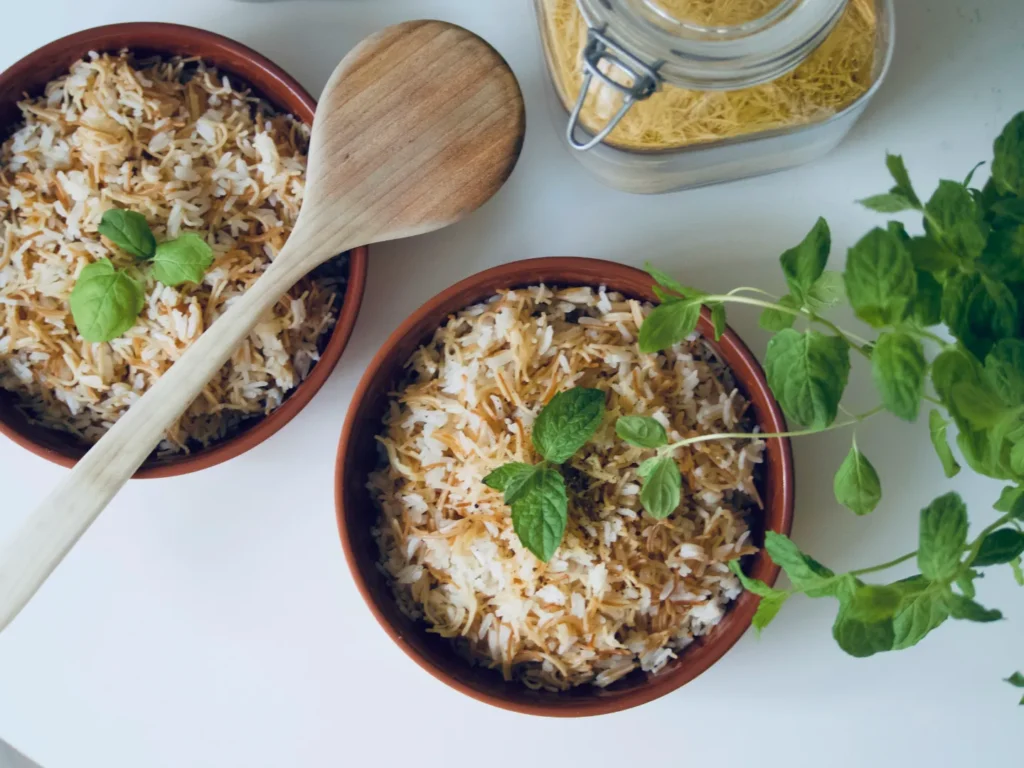
The Cuisine Local in Travel Issue.
Local food is actually a tradition and identity. The recipes will most likely be shared within the families and communities across generations.
The tourists can also learn about culture in a natural manner through the local food.
Local Cuisine Geographic Effect.
Food consumed by the people is being influenced tremendously by climate and landscape. It is enriched with the ingredients which depend on the weather, both the soil and the natural resources.
Local food is modelled on the locally available. This association results in unrivalled tastes that cannot be achieved in other places.
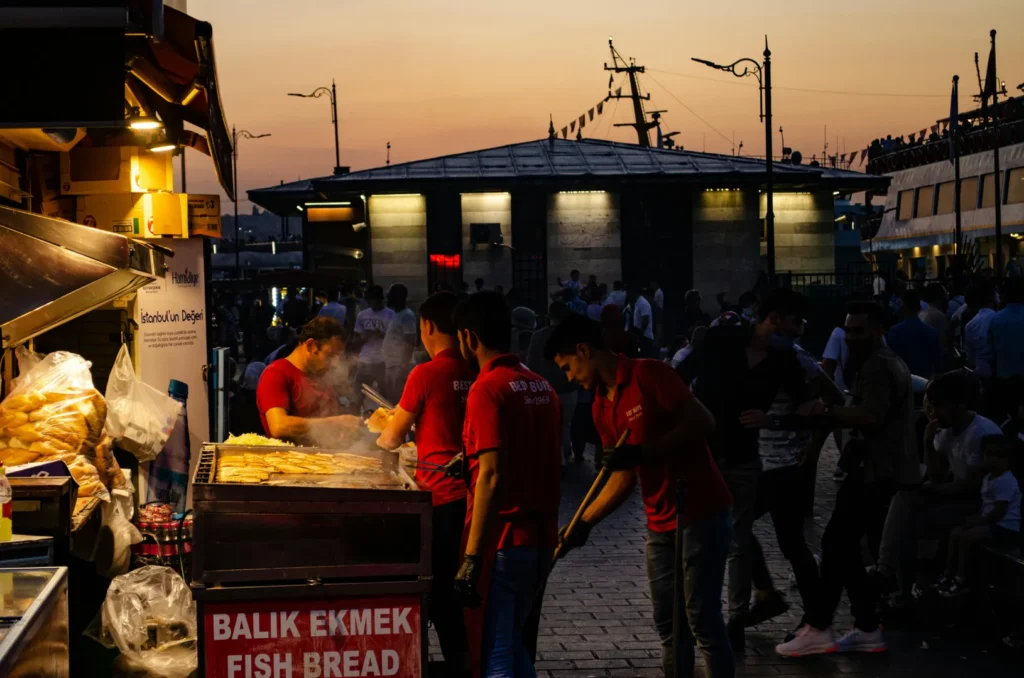
Preconventional Techniques and Methodologies of Cooking.
The styles of cooking are historic, cultural and resourceful. Modern techniques have resurfaced most of the techniques that were invented before the realization of modern tools.
Most food consumed locally is usually cooked on a slow burner, fermented or even in the open fire. These methods are less conventional and less agreeable.
The Street Food as a Cultural Process.
Street food provides us with the first hand experience of life. It is a question of custom, fashions and regional industry.
The street food is usually aggressive and low-cost. The food will offer a taste of the way locals will eat and socialize.
Family Recipes and Home Cooked Meals.
Home cooking is culturally emotive. The recipes are usually related with the memories and celebrations.
Home cooked local cuisine has authentic flavor. The act of sharing a meal provides an insight about family life and culture.
Feasts and Food Customs.
Food is one of the significant parts of the festivals and rituals. There are also special meals that celebrate special occasions and seasons.
One of the features that indicate the significance of cultural identity is the feature of local food in festivals. These experiences unite the communities on their tastes.
New Procurement and New Products.
Local markets demonstrate the way the food culture can be functioning on a day to day basis. Locally oriented are herbs, fruits and meat.
Local food starts with the locally sourced food. By visiting markets, such travelers will be sensitized on the available food choices and habits.
Etiquette Appleman Eating etiquette and Business etiquette.
The cultures differ in their food culture. Table etiquette, eating habits and plans are various.
Cultural awareness is the best way of enjoying the local cuisine. Experiences and relations are improved by observing the eating practices.
The contemporary influence on traditional food.
Globalization affects food development. The traditional food is inclined to evolve and adjust to the new tastes.
Local food keeps on developing and yet again, the food is connected to its origins. This equilibrium makes the food culture to be in the limelight and relevant.
The Learning Experiences of Cooking.
The food groups provide feasible cultural education. Cooking creates the impression of gratitude towards ingredients and work.
It is even higher due to the personalized preparation of the local food.
Food Sustainability and Cultural Preservation.
Sustainability helps in safeguarding food culture. Local farmers can be promoted and save the food traditions.
Local food will be at liberty to thrive where community direct benefit is. Greener decisions are in favour of culture and environment.

Conclusion
Local cuisine turns ordinary travel into a rich cultural experience by connecting flavors with traditions, history, and everyday life. Tastes and aromas leave lasting memories, making destinations unforgettable through their food and cultural identity.
Food and culture are deeply connected, and exploring regional dishes helps travelers understand stories that cities and landmarks alone cannot tell. On Travory World, readers can explore dedicated food and culture travel content that highlights authentic culinary traditions and cultural insights from around the world.
Through carefully curated guides on Travory World, travelers are introduced to local cuisine in a meaningful way, helping them connect with culture while planning smarter journeys. For deeper insights, visitors can also explore the About Us section to understand the platform’s mission, use the Contact Us page for guidance, and review the Terms & Conditions and Privacy Policy for a trusted travel planning experience.

